From Nairobi’s elevated expressways to Lagos’s airport upgrades and Addis Ababa’s new riverside developments, Chinese-backed projects are transforming skylines and daily life across the continent.
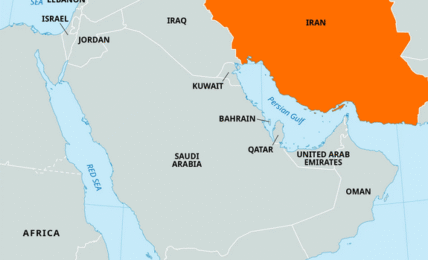
African countries cannot avoid being harmed by the current Gulf war. Nevertheless, based on my work in international economic law and global economic governance, I think there are two lessons that, if followed, can help the continent emerge from the crisis in a better place.
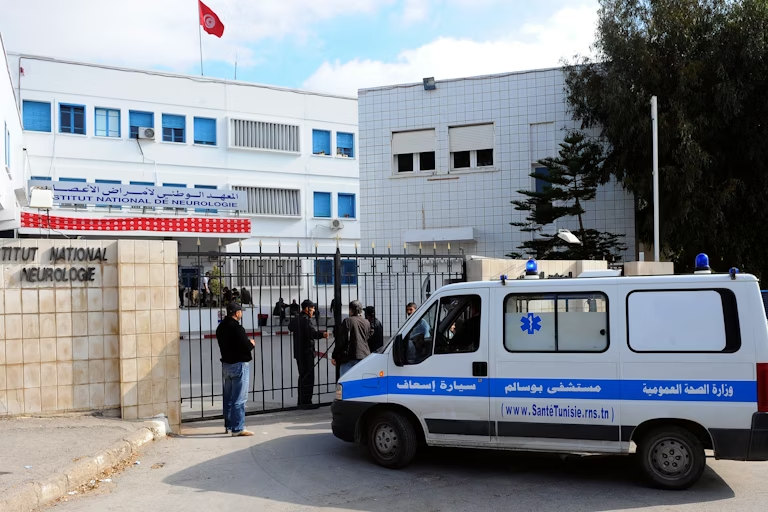
As health economists interested in the behaviour of healthcare providers, we sought to explore an understudied driver of health inequalities in Tunisia: whether doctors treat patients from different socioeconomic backgrounds differently during a clinical encounter.
Africa is also often cited as holding around 60% of the world's uncultivated arable land, one reason the continent matters so much to future food systems. These figures do not simply represent economic progress. They represent potential. They are reminders that the continent is not waiting for others to build its future. It is already doing so.
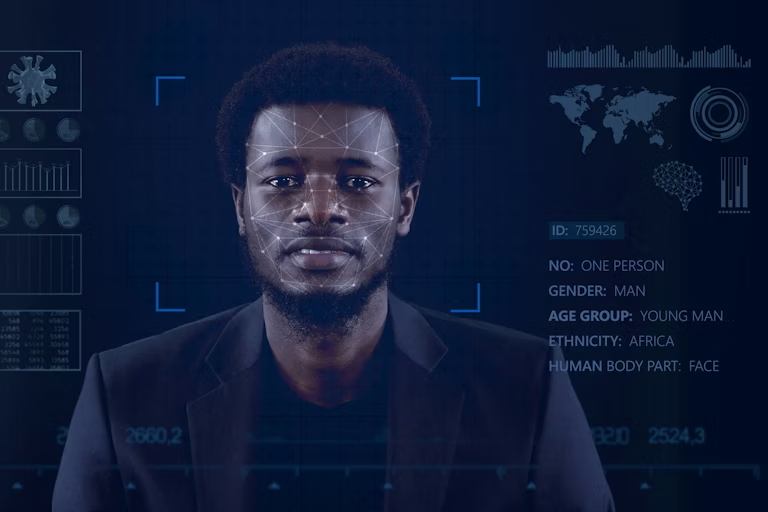
Biometric digital identification systems are often promoted as tools to improve efficiency, inclusion and service delivery. But a new report highlights serious concerns about exclusion, rights violations, data protection and accountability.
Most books on public finance are written by men, from institutions in the global north, about systems designed in the global north. There is not a single comprehensive treatment of public finance law focused on Kenya or, for that matter, on any African country. I wanted to change that.
From the Sahel to Somalia, weapons and equipment supplied from abroad breaks down quickly, sits idle for lack of maintenance, or requires expertise that local forces are not trained to sustain.
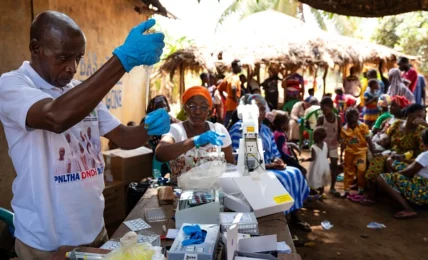
Acoziborole will allow doctors to reach the most remote areas, where the last remaining pockets of the disease are. In 1998, nearly 40,000 cases were reported across Africa, and experts believe more than 300,000 others were never diagnosed.
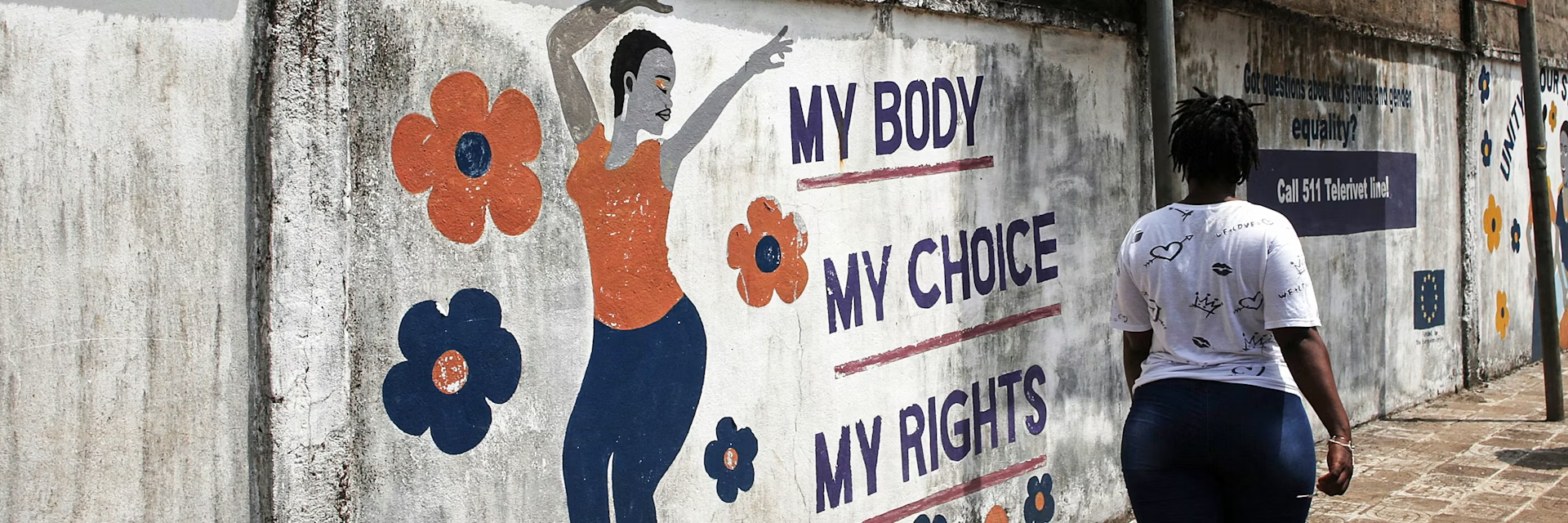
Laws were passed to fight domestic violence, rape and teen pregnancy. But drawing on colonial legal models, the reforms don’t always match social realities and in many cases are harming young people from poor communities. Punishment is being made more important than resolution or education.