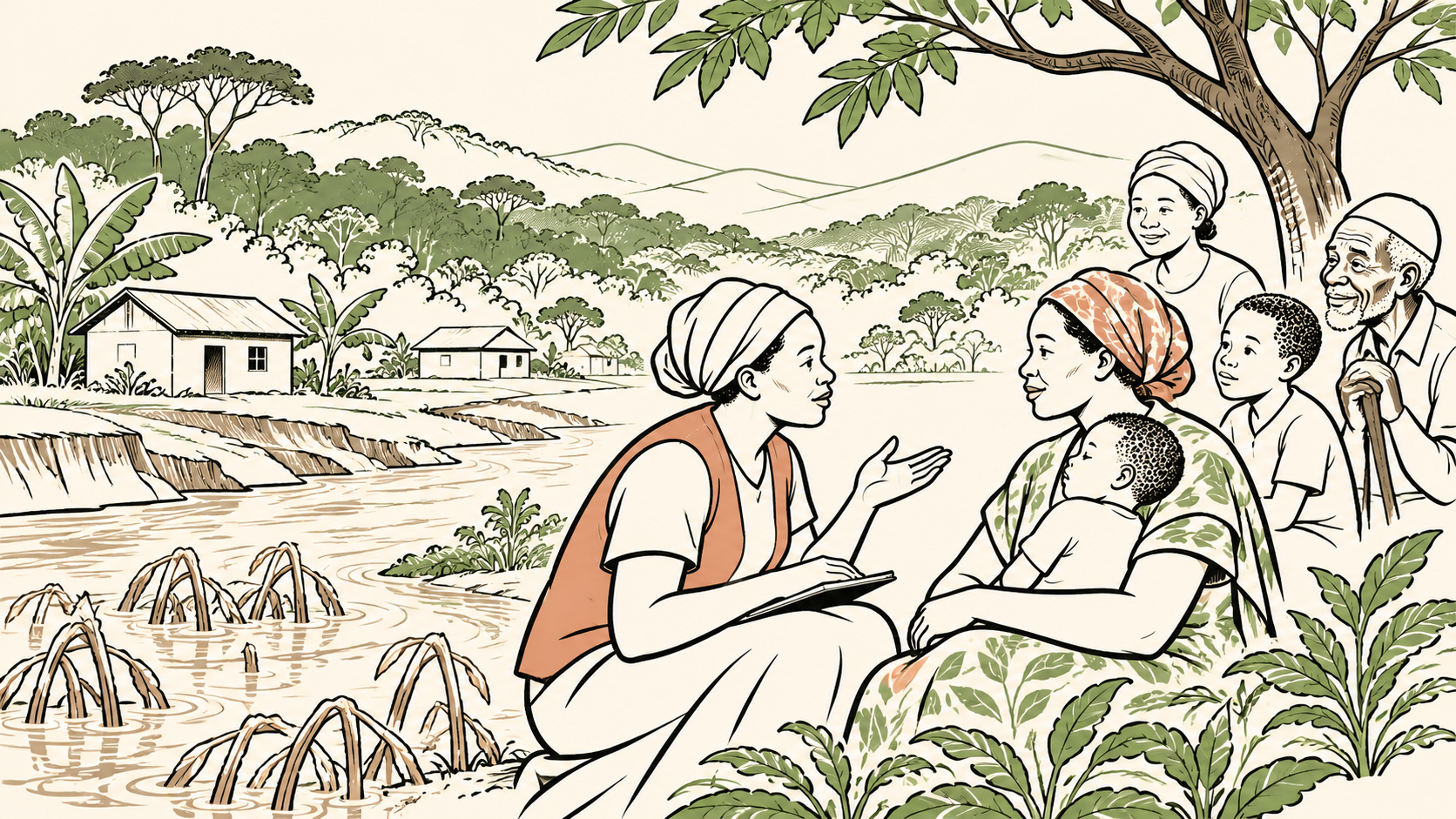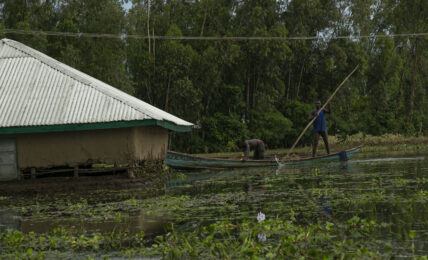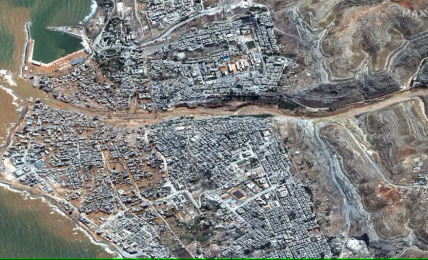

Bufunjo is a community of striking contrasts. Located in Mwenge North, Kyenjojo District, in western Uganda, it is a place whose identity is closely tied to the natural environment. The surrounding landscape, with its proximity to Kibale Forest and tributaries of the River Muzizi, offers beauty, fertile land and the promise of livelihoods. Water sustains gardens, livestock and daily life. Yet for people who live close to rivers and low-lying areas, water can also bring uncertainty.

I have spent much of my life connected to this community. My family settled in Bufunjo in 2000, and the years that followed gave me an opportunity to witness both the difficulties people face and the ways they adapt. The story of Bufunjo is not simply one of a rural community surrounded by nature. It is a story about people learning to live with the opportunities and risks that nature brings, and about the importance of health, cooperation and local development.

When The Rains Turn Against Us

During periods of heavy rainfall, the rivers that contribute to the beauty of Bufunjo can rise beyond their usual levels. Water spreads into low-lying areas, affecting homes and gardens. Crops may be damaged, pasture can be lost, and household property can be destroyed. For families whose livelihoods depend on farming, the consequences of flooding can continue long after the water has receded.

A damaged garden is more than a patch of land covered by water. It can represent food that a family expected to harvest, income that would have paid school costs, or savings invested in a season’s work. When pasture is affected, households that keep animals may also face difficulties. Flooding can disrupt movement and make ordinary tasks harder. Families may have to clean homes, repair what has been damaged and find ways to recover while preparing for the next season.

The effects can be especially difficult for households with limited resources. Recovery takes time, and not everyone has the money or materials to rebuild quickly. These experiences have taught me that environmental challenges are also public-health and development concerns. Safe housing, reliable water sources, sanitation and the protection of livelihoods are connected. A community cannot be healthy if the conditions in which people live continually expose them to avoidable risks.

Malaria And The Lessons Of Community Health

My interest in health began, in part, with questions I asked at home. I remember asking my mother, “Why is everybody getting sick nowadays?” She had served as a Village Health Team (VHT) member since our family settled in Bufunjo in 2000. Through her work, I began to understand how much community health depends on knowledge, prevention and the willingness of people to support one another.

Malaria was a frequent concern, particularly during rainy periods. Rainfall can leave standing water in places where mosquitoes breed, increasing the risk of transmission. For families, malaria means more than fever and discomfort. It can lead to missed school days, time away from work, the cost of seeking treatment and serious illness, especially among young children and pregnant women.

My mother’s role as a VHT member helped me appreciate the importance of health workers who are close to the communities they serve. Community health workers can share information, encourage early care-seeking, support prevention activities and help connect households with formal health services. Their contribution may not always be visible in the way a hospital building or medical machine is visible, but it can make a meaningful difference in people’s lives.

The experience also changed how I understood illness. It was not enough to ask which medicine a sick person needed. It was important to ask about the person’s environment, access to clean water, living conditions, knowledge of prevention and ability to reach a health facility. Those questions remain central to the way I think about nursing and community health.

Access to Care and Safer Water

Over time, access to healthcare in and around the community has improved. Having a local health facility makes it easier for residents to seek help than in earlier years, when some people had to travel much farther to obtain treatment. Distance can be a serious barrier. A person who is ill may have to find transport, money for the journey and someone to accompany them. For a parent with a sick child, delays can be frightening. Bringing services closer to where people live is therefore an important step towards better health.

Access to safe water is equally important. When households rely on unsafe sources, the risk of water-related illness increases. Improvements in access to safer water can reduce some of these risks and ease the daily burden of collecting water. They also remind us that health is shaped by services beyond the walls of a clinic. Water, sanitation, education and community infrastructure all contribute to wellbeing.

Government programmes and development organisations have played roles in supporting health education and community initiatives. Organisations working alongside local communities, including Samaritan’s Purse, have contributed to efforts that promote awareness and healthier practices. Such work is most meaningful when it responds to local needs and involves the people who understand those needs best. Sustainable progress depends not only on providing support, but also on building local knowledge, trust and participation.

Remembering Measles Prevention

The community’s health journey also brings to mind the importance of measles immunisation campaigns in Kyenjojo. Measles is a highly contagious disease and can cause severe complications, particularly in children who are not protected. Vaccination campaigns help reach eligible children and reduce the risk of outbreaks.

I remember the importance attached to reaching families and encouraging parents to have their children immunised. These efforts depend on more than the availability of vaccines. Parents need clear information, health workers need the support to reach communities, and local leaders can help build confidence in public-health activities. Questions and concerns should be addressed respectfully so that families can make informed decisions.

Immunisation is often discussed as an individual health choice, but its benefits extend beyond one child. High vaccination coverage helps protect communities by reducing the spread of disease. The lesson from these campaigns is that prevention requires cooperation. Health workers, parents, community leaders and public institutions all have a part to play.

The Fear of Ebola

Another period that remains in my memory is the Ebola outbreak reported in neighbouring areas. The news created anxiety because infectious disease does not respect administrative boundaries. When an outbreak occurs nearby, people naturally begin to worry about their families, their neighbours and the possibility that the disease could reach their own community.

In affected places, public-health responses included measures such as identifying suspected cases, isolation and communicating prevention guidance. Movement and trade could be disrupted, and uncertainty affected ordinary routines. Even for people who were not directly affected, the outbreak was a reminder of how quickly fear can spread when information is incomplete or when people do not know what to do.

The experience reinforced the importance of timely, accurate communication and trust in health workers. During an outbreak, rumours can deepen fear and make prevention more difficult. Communities need information that is clear, practical and delivered in ways people understand. They also need health systems prepared to detect illness, respond quickly and protect both patients and healthcare workers.

Although the experience brought the threat close to home, our community did not experience the same tragedy reported in some affected areas. I remember the anxiety, but also the importance of cooperation and preparedness. The memory has strengthened my belief that public health is not only about responding after people become ill. It is also about preparing communities before a crisis arrives.

A Community Held Together By People

I have spent many years away from Bufunjo, but distance has not weakened my attachment to it. What stays with me is not only the landscape or the challenges, but also the people. I remember the hospitality of residents, the different cultures that meet in everyday life and the sense of togetherness that can emerge when neighbours face a shared problem.

Rural communities are sometimes described mainly through what they lack: roads, services, jobs or infrastructure. Those needs are real and should not be ignored. But such descriptions can overlook the knowledge, relationships and determination already present in these places. In Bufunjo, as in many communities, people continue to work, raise families, support neighbours and find ways to move forward despite uncertainty.

The community’s story also shows why local voices matter in development. People who live with seasonal flooding understand where water rises and which households are most vulnerable. Parents understand the barriers that may prevent children from receiving care. Community health workers understand the questions families ask and the information they need. Listening to these experiences can help programmes become more practical, respectful and effective.

As a nursing student, my clinical learning experiences at Mulago and Kiruddu National Referral Hospitals have deepened my appreciation of healthcare. Hospitals are essential, but the foundations of health are often laid long before a patient arrives at a ward. They are shaped in homes, schools, villages and the environments where people grow, work and raise children. The connection between community life and formal healthcare is one reason I remain interested in community health and rural transformation.

Bufunjo Is More Than A Place On The Map

Bufunjo still faces challenges. Seasonal rains continue to test households, and the need for reliable health services, safe water and resilient livelihoods remains important. Progress should not make us forget the work that remains. It should encourage us to protect what has improved and keep addressing the gaps that affect families most.

When I think of Bufunjo, I see more than rivers that sometimes overflow or illnesses that have worried families. I see a community shaped by memory, work and relationships. I see the contribution of people such as my mother, whose service as a VHT member helped bring health knowledge closer to households. I see the value of immunisation, health education, safer water and accessible care. I also see the importance of preparing for threats that may emerge beyond the boundaries of our village.

Perhaps by now you are wondering which community I have been describing. It is Bufunjo, in Mwenge North, Kyenjojo District, western Uganda. Its rivers still rise, its seasons still test its people, and its story continues. For me, Bufunjo is more than a place on a map. It is a reminder that resilience is built through memory, community action and the determination to make life better for the next generation.

Sign up to receive the most diverting fiction, essays, analyses and news across Africa in your inbox, on Monday every week.

We don’t spam! Read our privacy policy for more info.

Check your inbox or spam folder to confirm your subscription.