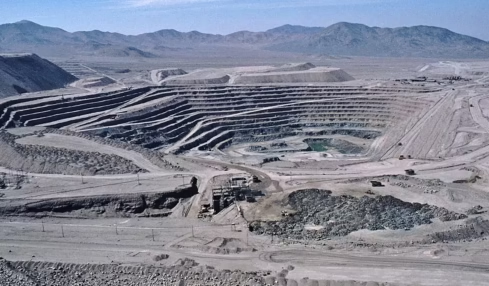
Zimbabwe has the largest lithium reserves on the African continent. In 2022, the Zimbabwean government banned the export of raw lithium ore in an attempt to regulate the industry and curb artisanal lithium mining and illicit exports. If properly implemented and regulated, the new ban on exporting lithium concentrate could increase Zimbabwe’s self-sufficiency in lithium processing. It could even help the country achieve the middle-income economy it has set out in its Vision 2030, in which it aims to have a mining industry that generates US$12 billion a year in revenue.
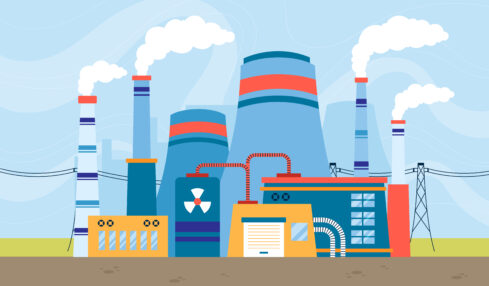
With global nuclear capacity surging, African nations are looking to SMRs not just for access—but for energy autonomy, industrialization, and grid resilience.
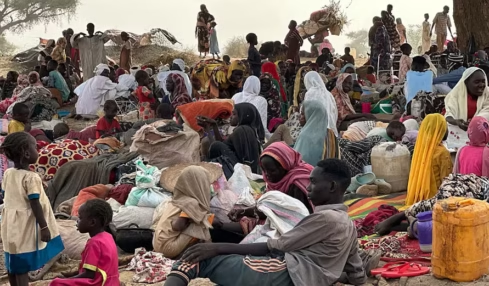
At least 150,000 people have been killed. More than 14 million have been displaced, with over 3 million fleeing to neighbouring countries like Chad, Ethiopia and South Sudan. Once a vibrant capital city, Khartoum is now a “burnt-out shell”.
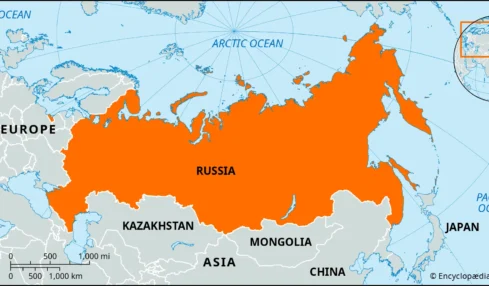
In some parts of Russia, schoolgirls who become pregnant are being paid more than 100,000 roubles (nearly £900) for giving birth and raising their babies.
A look at the 20 greatest cultural movements from 2005 to 2025 that have reshaped global conversations and redefined how individuals connect, create, and campaign for change.
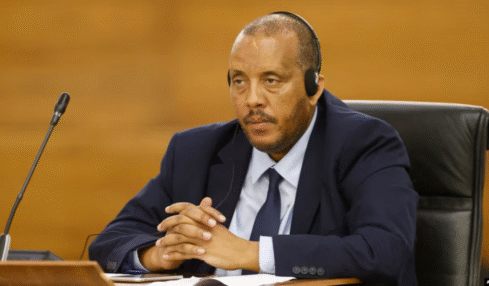
In this exclusive interview, recently-ousted Tigray Interim President Getachew Reda discusses the events that led to his removal, the internal power struggles within the TPLF, and his beliefs about the future of Tigray, Ethiopia and the region.
Nelly Gesare built a multimillion-shilling enterprise from waste and in the process showed the potential of sustainability-driven businesses in Africa. Her venture, Greenthing Kenya, transforms discarded materials into valuable products.
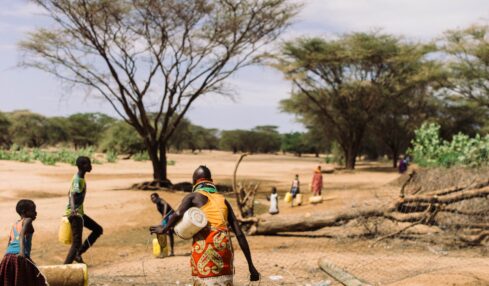
Kenya will not join the league of oil producing countries in the world despite the decade long activities of Tullow Oil Plc that had made residents of Turkana harbor hopes of prosperity.
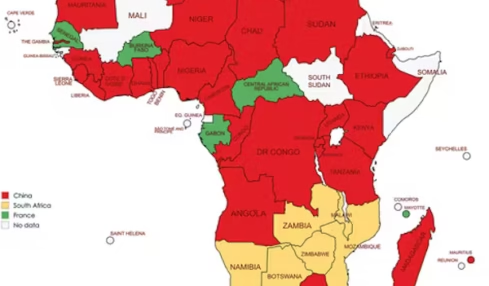
This visual securitisation not only heightens fears of dependency but also primes certain audiences – in the US, Japan and France, for instance – to view China’s presence as a direct challenge to their interests.